
My vanity used to be a shelf of 12 products in a strict order, and I’d follow it every morning like it was a religion. Then the heater kicked on, my skin started feeling tight and flaky, and the whole routine just kept piling on irritation. So this year I’m doing the opposite: fewer steps, better support.

The fix is simple — a gentle cleanser, vitamin C, a richer moisturizer, and SPF, every morning. At night: cleanse, retinoid if your skin tolerates it, moisturize. That’s the whole plan. Here’s why less works better in winter, and what to actually buy.
Why your routine needs a winter update
Summer skincare is whatever slides under sunscreen the fastest. Winter is the opposite problem: “You have cold air and less humidity outside, then you go inside and the heat is blasting, so your skin is constantly being pulled between two very dry environments,” says Malika Sloan, a medical aesthetics expert at her NYC studio, Sloan Studio. I asked her for the exact protocol she gives clients when the cold rolls in, and it’s refreshingly short.
When winter skin misbehaves, it usually shows up as one of three things:
- Dryness — flakiness, tightness, rough texture. Cold air and indoor heat both strip moisture, and it’s often a mix of genetics and environment.
- Irritation — itchiness and redness from dry indoor air, allergens, and pollutants.
- A compromised barrier — when harsh ingredients or over-exfoliation weaken your skin’s shield, it turns reactive and dull.
Sloan’s core point: “Your skin doesn’t need the exact same routine 12 months out of the year. What worked perfectly in July might be way too much in December.”
And yes, this applies to us over-40s (and soon-40s) too. There’s a lot of talk about speeding up cellular repair after 40, and the risk is piling on actives and forgetting the nourishing side. “As hormones start shifting, a lot of women notice their skin suddenly feels drier or less resilient,” Sloan says. “That doesn’t mean you need to start piling on anti-aging products. I actually think that can backfire.” She’d rather have “a few really effective products used consistently” than a 12-step anti-aging ritual.

Her thinking is the same as picking a good white tee — not reinventing anything, just a little more considered. “I still want the heavy hitters — vitamin C, SPF, retinoids, intentional exfoliation — but I also want a really healthy barrier. A richer moisturizer, more hydration, and fewer unnecessary actives can make a huge difference.”
The AM routine: four steps, that’s it
Sloan’s morning is deliberately boring: gentle cleanser, vitamin C, moisturizer, SPF. If your skin is drying out, swap a lightweight summer moisturizer for something richer, and add a hydrating serum only if you actually need one. “SPF absolutely stays — winter does not mean we stop wearing sunscreen.”
Her first rule: don’t panic-swap everything the moment your skin gets dry. “Keep what’s working, pull back on what’s irritating you, and give your skin more support where it needs it. Your routine should move with your skin.”
Start with a gentler cleanser
If your skin starts feeling tight after cleansing, or products that usually feel fine are suddenly stinging, your cleanser is probably stripping you. This is the step most people underinvest in, and the one that quietly causes the rest of the winter skin blues. Two Sloan-approved options:
- True Botanicals Spirulina Cleansing Powder — $48 at True Botanicals. A powder-to-foam wash that cleanses without that squeaky, stripped feeling.

- iS Clinical Cleansing Complex — $49 at Violet Grey. A no-fuss gel cleanser that’s easy on a reactive barrier.

Hydrate before you moisturize
First, know which kind of thirsty your skin is. “Dry skin is a skin type — you naturally don’t produce as much oil. Dehydrated skin is lacking water, and anyone can be dehydrated. I see plenty of people who are oily, breaking out, and still dehydrated underneath,” Sloan says. Dehydrated skin wants humectants that pull water in: hyaluronic acid, glycerin, B vitamins. Dry skin wants ceramides, squalane, and lipids.
If you’re the dehydrated type, this is where a hydrating serum earns its place:
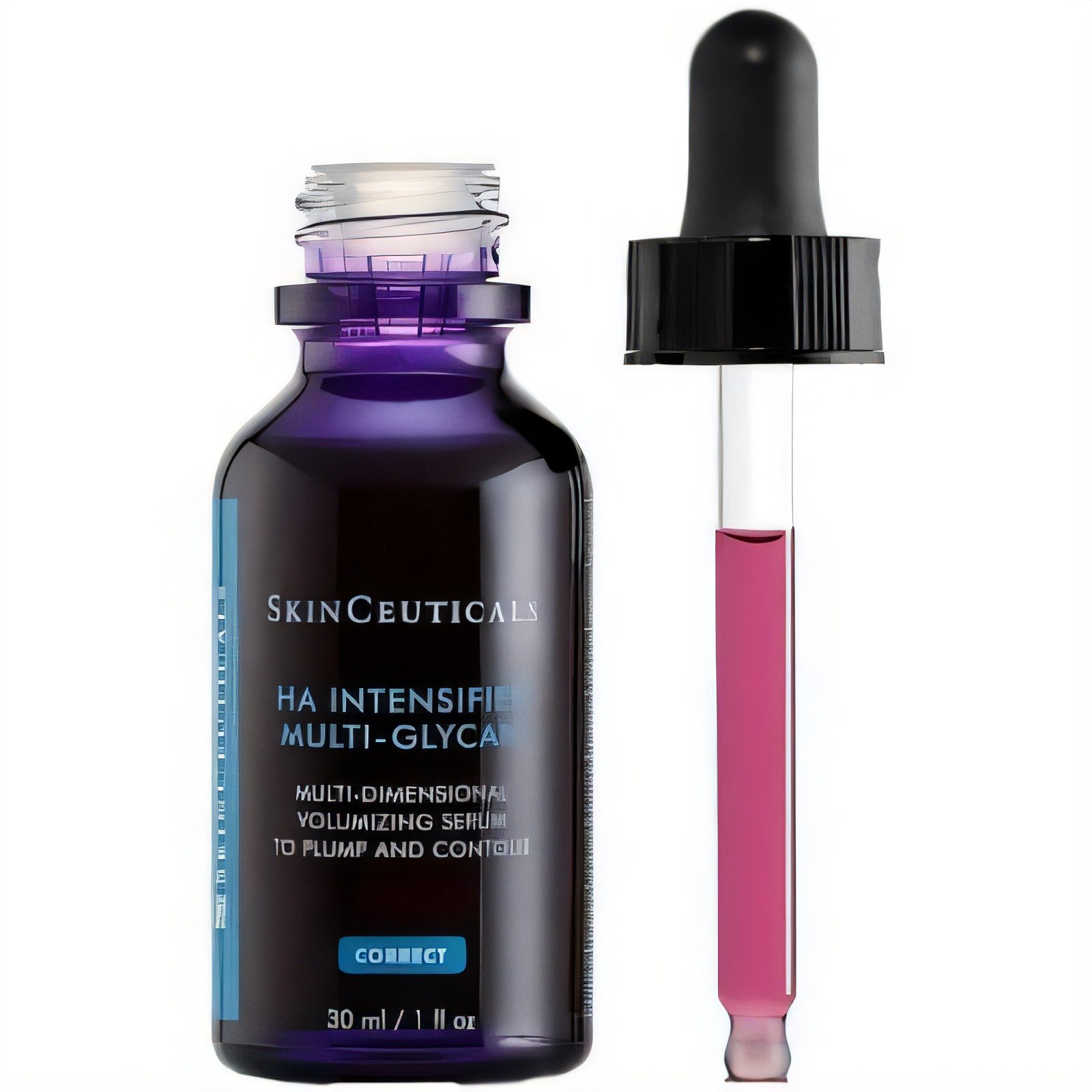
- SkinCeuticals HA Intensifier Multi-Glycan — $120 at Sloan Studio. A splurge-tier hyaluronic acid serum for serious dehydration.
- MARA Pearl Peptide Glaze Hydrating Facial Essence — $54 at MARA Beauty. A lighter, more affordable hydration step.

Then seal it with a moisturizer that’s actually rich enough for winter — one of these is on my shortlist for the colder months:
- U Beauty The Super Hydrator — $168 at U Beauty.
- Mimétique Skin Restore — $85 at Mimétique.
What about exfoliation?
“Where I think people really get themselves into trouble is exfoliation,” Sloan says. “They see dry, flaky skin and think, ‘I need to exfoliate this off.’ Sometimes you actually need to do the opposite.” If your skin is irritated and peeling, adding more acids just keeps you in the cycle. Treat exfoliation as maintenance you do as needed — dry, textured skin is often a signal to pare down, not ramp up.
The PM routine: even simpler
Nighttime is three steps: cleanse, use your retinoid if you tolerate it, moisturize. If your skin is dry or irritated, use the retinoid fewer nights a week and cut back on exfoliating acids. This is also the moment to swap in the richer moisturizer.
You don’t have to shelve your retinoid for the season. “If your retinoid is working for you and your skin is happy, keep using it. You may just need to use it a little less often or add more barrier support around it” — Sloan suggests moving from every other night to every third night if needed. A couple of options she keeps on the shelf:
- Skinbetter AlphaRet Overnight Cream — $210 at Sloan Studio.
- ANUA Collagen Retinol Refining Gua Sha Cream — $30 at Ulta. The budget pick in the group.
And on the viral “slugging” trend: most people don’t need it. “Unless your skin is literally peeling off and your barrier is extremely compromised, I don’t think you need to coat your face in a heavy occlusive,” Sloan says — especially if you’re acne-prone or congested. A slightly richer moisturizer, plus an oil to seal it in if your skin can handle it, does the job.
Two heavier-cream options if you’re heading that way: Augustinus Bader The Rich Cream, $98 at Augustinus Bader, and AUNU Manuka Salve, $68 at AUNU.
Quick note: this is a beauty editor’s take, not medical advice. If your skin is consistently red, itchy, or flaking beyond seasonal dryness, talk to a dermatologist before piling on new products.
FAQ
Do I really need SPF in winter? Yes. “Winter does not mean we stop wearing sunscreen,” says Sloan. UVA rays don’t take a seasonal break, and a compromised barrier is even less forgiving.
My skin is oily but flaky in winter. Am I dry or dehydrated? Probably dehydrated — you can be oily and break out and still lack water underneath. Reach for humectants like hyaluronic acid and glycerin, not just heavy creams.
Should I stop exfoliating when my skin flakes? Often, yes. Flaky, irritated skin usually needs the opposite of more acids. Cut back to maintenance exfoliation and rebuild your barrier first.
A note from the studio
I’ve been the girl with the 12-step routine, and the winter that broke it is the winter I simplified. My skin is calmer with four steps than it ever was with twelve — which is exactly what I’d have believed no one if I hadn’t lived it. Tested on my vanity, not on my ego.