

I caught myself at the bathroom mirror the other morning, squinting at my under-eyes and thinking: if collagen is the magic word, why does my skin still look the same? It’s a good question, and the answer is one of the first things I want you to know before you buy a single thing.
The word “collagen” on a K-beauty label does not mean the product adds collagen to your skin. Collagen molecules are generally too big to pass into the dermis. In a cream or mask, they mostly act as a humectant and film-former: they pull water to the surface, make skin feel plump, and give that bouncy, hydrated look. The ingredients that people hope do more — peptides, niacinamide, vitamin C, PDRN — have research of varying strength behind them. Treat “lifting” and “elasticity” claims as descriptions of how skin looks and feels after use, not as promises of structural change.
That honesty is exactly why I like building collagen-focused routines around Korean formulas. The picks below cost little relative to luxury creams and are designed for real, modest results: hydration, glow, smoother texture. Here are seven products I’d actually put on a vanity, grouped by job, with the layering order that keeps everything from clashing.
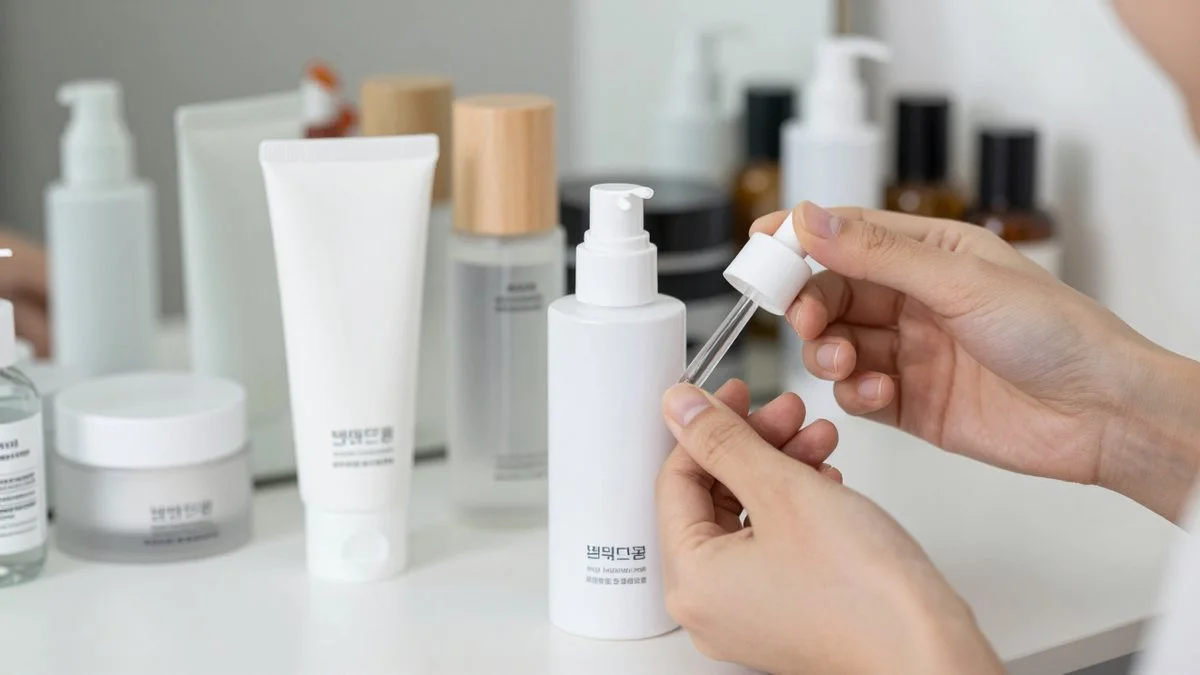
The Quick Roundup
- Daily moisturizer: medicube Deep Vita C Capsule Cream — dual-texture vitamin C cream, 55 g
- Daily serum: numbuzin No.9 NAD+ Peptide Serum — lightweight film-forming serum, 50 ml
- Overnight peel-off mask: medicube Collagen Wrapping Mask — 75 ml tube, 3–4 nights a week
- Glow mask: COSRX PDRN Exosome Overnight Face Mask — 50 ml with brush
- Weekly exfoliant: Dr.Melaxin Peel Shot Black Rice Ampoule — 80 ml, 1–3 times a week
- Jelly eye patches: Abib Collagen Eye Patch Jericho Rose Jelly — 60 patches (30 pairs)
- Hydrogel eye patches: Dr.Melaxin Calcium Volume Under Eye Patches — 60 count
First, the Daily Base
medicube Deep Vita C Capsule Cream — Best Overall Moisturizer
Size: 55 g (1.94 oz), sold in some places as 55 ml.
Formula: a dual-texture cream that pairs a vitamin capsule cream with a clear gel. Sea buckthorn extract at 50 percent, 5 percent niacinamide, and a range of vitamin C derivatives — including sodium ascorbyl phosphate and 3-O-ethyl ascorbic acid. Adenosine, hyaluronic acid, alpha-arbutin and panthenol also appear in the published list.

Why I like it: instead of one high-strength ascorbic acid that can sting, this layers several gentler vitamin C forms with niacinamide. Derivatives are more stable than pure ascorbic acid but less potent — so expect gradual evenness and brightness over weeks, not a transformation overnight. I’d use it morning or night as the moisturizer step, and if you also run a retinoid at night, keep the vitamin C for the morning and finish with sunscreen.
Skip if: your skin reacts to vitamin C or fragrance — start a few nights a week. Dual-texture creams can separate slightly in the jar, which is normal. Use the spatula to scoop both textures and warm them between your fingers before pressing on.
Pros: several vitamin C forms, niacinamide, widely available, pleasant dual texture. Cons: may not suit very sensitive skin; results are gradual; vitamin C creams can darken in the jar if stored warm. Budget to mid-range tier.
numbuzin No.9 NAD+ Peptide Serum — Best K-Beauty Serum
Size: 50 ml (1.69 fl oz) on this listing — one other retail listing uses 30 ml, so check the bottle before you buy.
Actives: NAD and related compounds, a long list of peptides (the “50 peptides” claim), glutathione, resveratrol, beta-glucan, niacinamide, hyaluronic acid.
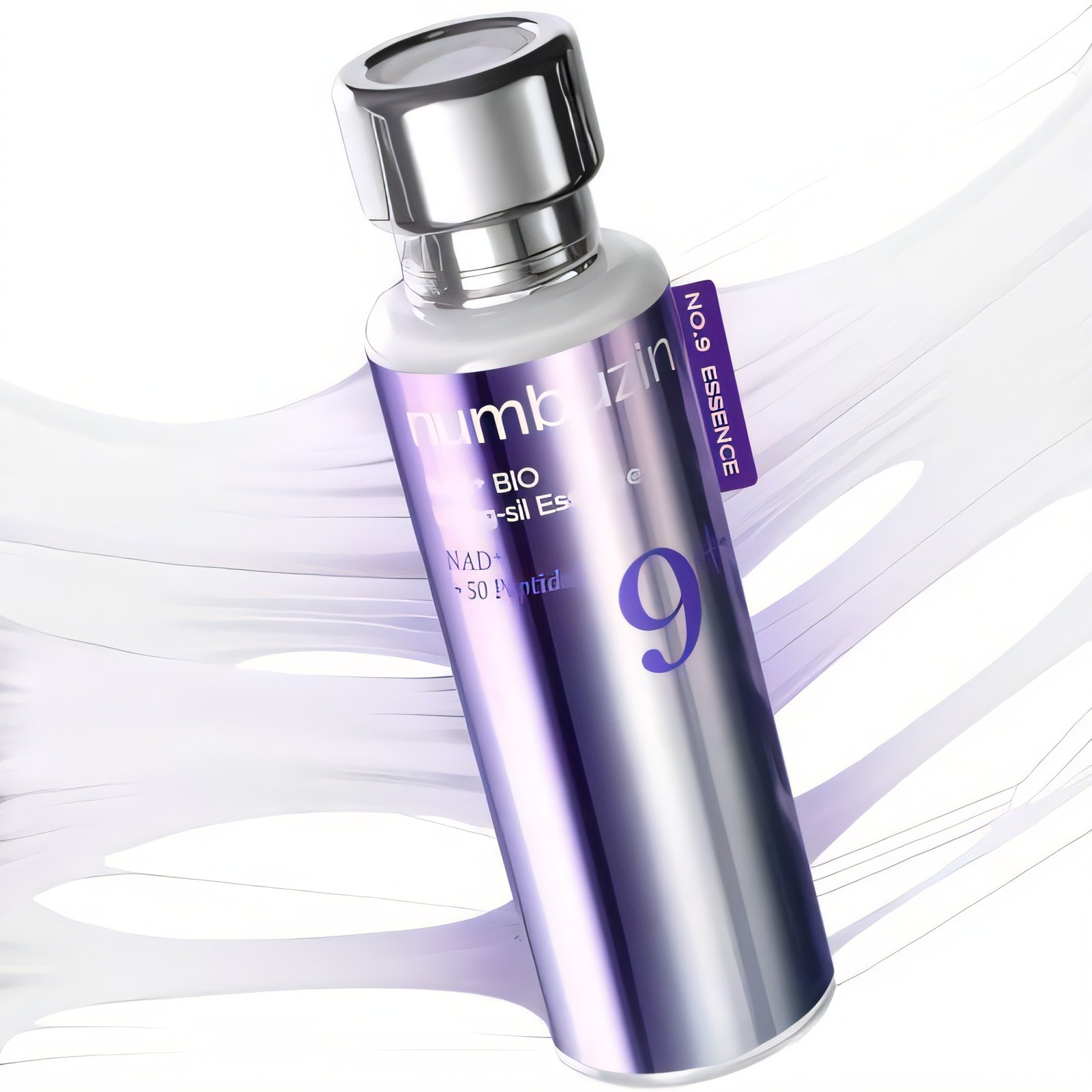
Here’s the part I’ll say straight: the “instant lifting” sensation mostly comes from film-forming polymers that tighten as they dry. The feeling is real, but temporary. Independent reviewers have also pointed out that each of the many peptides is present in small amounts, and topical NAD+ is far less proven than the marketing suggests. None of that makes it a bad serum. It’s a pleasant, hydrating layer with niacinamide and hyaluronic acid, and the finish helps makeup sit smoothly — it just shouldn’t be sold to you as a lifting treatment.
The product is sold under slightly different names in different regions, such as “No.9+ NAD+ Bio Essence” at some retailers, and formulas can differ a little, so confirm what you’re actually buying. Apply two or three drops over damp skin, wait a minute, then seal with cream. It works on face, neck and body, morning or night.
Skip if: you dislike a tacky or tight finish. Pros: light texture, hydrating base, face-and-body use, instant smooth feel. Cons: film can feel tacky, NAD+ evidence is limited, size labeling varies. Mid-range tier.
Once a Week, the Masks Do the Heavy Lifting
medicube Collagen Wrapping Mask — Best Overnight Peel-Off Mask
Size: 75 ml tube.
Type: overnight peel-off mask with hydrolyzed collagen, marketed for elasticity and hydration.

Apply a thin, even layer as the last step of your night routine — avoid brows, hairline, eyes and lips. Let it dry for about 15 minutes, sleep, then peel from the edges in the morning. The brand suggests three or four nights a week, or daily in dry weather.
The wrapping mask works as a seal. After toner, serum and cream, the film sits on top and keeps moisture from evaporating — which is why people notice plumper skin in the morning. The peel-off is gentle if you start from the edges, and rinsing leftover residue is fine. Because it forms a tight film, avoid it on irritated or broken skin.
One practical tip: apply with a clean brush or spatula and keep your hair clipped back. A common mistake is putting it over a thick cream, which stops the mask from drying properly — use a lighter layer underneath.
Skip if: you toss and turn a lot, since the film can flake onto bedding. Pros: easy weekly treat, hydrating look, low price tier, no rinsing. Cons: can flake on pillows, takes practice to apply neatly, not for broken skin. Budget tier.
COSRX PDRN Exosome Overnight Face Mask — Best Glow Mask
Size: 50 ml (1.69 fl oz) with a silicone brush.
Type: peel-off “skinplaning glaze” mask.
Ingredients on the listing: PDRN (a salmon-derived DNA ingredient), plant and probiotic-derived exosomes, PHA (gluconolactone), collagen, niacinamide, panthenol, allantoin, hyaluronic acid, glutathione and a peptide.

This is the one I keep for special occasions, when I want a glassy finish. Apply an even layer to clean skin, let it dry to a clear film (about 20 to 40 minutes depending on thickness) or leave it overnight, then peel from the edges and pat in the remaining essence.
The words “PDRN” and “exosome” sound clinical, and the research supporting them in cosmetics is still limited — so a measured expectation is a smooth, glowy finish rather than visible structural change. The PHA is a gentle exfoliant, which helps explain the smooth feel. Listings recommend a patch test, which is wise for a product with a peel-off film and exfoliating ingredients. Keep it off broken or irritated skin, and don’t layer it over strong acids or retinoids the same night — keep mask nights simple.
Skip if: you have fish or marine allergies (PDRN is salmon-derived) or avoid exfoliating acids. Pros: brush included, low price tier, glowy finish, overnight option. Cons: marine-derived ingredient, exosome research is limited, some people find peel-off masks fussy. Budget tier.
The Weekly Exfoliant, Handled Gently
Dr.Melaxin Peel Shot Black Rice Exfoliating Ampoule — Best Exfoliating Treatment
Size: 80 ml (2.7 fl oz).
Acids: AHA, BHA and PHA, plus niacinamide, hyaluronic acids, squalane and rice bran water.
Texture: gommage-style — it balls up as you massage it, lifting dead skin.

This is the most active product in the lineup, which makes it the one to introduce slowly. Start once a week, rinse thoroughly with lukewarm water, and wear sunscreen the next morning — chemical exfoliants make skin more sensitive to sun. Retailers suggest one to three times per week, and some say it can be used on elbows, knees and underarms.
Two honest caveats. First, the gommage texture has a physical element that some find satisfying and others find too scrubby — if your skin is easily irritated, a gentler PHA toner is the better call. Second, retailer ingredient lists differ for this product (one UK listing showed a very different list), so rely on the box and the brand’s own page. Skip if: your skin is sensitive, freshly sunburned, or already on a prescription retinoid. Pros: multiple exfoliating acids, large 80 ml size, low price tier. Cons: can irritate if overused, lists vary by listing, sun sensitivity afterwards. Budget tier.
Eye Patches: A 20-Minute Ritual, Not a Miracle
Eye patches are among the most popular K-beauty products — and among the most over-promised. Hydrating patches make the under-eye area look smoother and refreshed for a few hours, because they temporarily plump the skin with moisture. They don’t erase wrinkles, remove dark circles caused by genetics or pigmentation, or replace sleep and sunscreen. With that expectation, they’re a genuinely nice 20-minute ritual.
Abib Collagen Eye Patch Jericho Rose Jelly — Best for Fine Lines
Count: 60 patches (30 pairs) in a jar, with a spatula.
Texture: a jelly-like patch with collagen, peptides and Jericho rose extract.

Place a patch under each eye or on smile lines after toner; leave on 15 to 30 minutes; massage in the leftover essence; don’t reuse. Daily is possible, but two or three times a week is enough for most people. The jelly format is thicker than hydrogel and slides less, which makes it easier to use on smile lines — and because you can rotate patches to target different areas, one jar goes further than the count suggests. At three uses a week with one pair each time, 30 pairs last about ten weeks, so the cost per use is low for what is essentially a hydration treat.
Keep the jar closed and upright. If a patch slips, lean back on a pillow while it sits. After removing, pat the leftover essence in and follow with a light cream. Skip if: you’re sensitive to fragrance or have recently had eye-area procedures. Pros: large count, spatula included, flexible placement, widely available. Cons: single use, patches can slide, the jar must stay sealed. Budget to mid-range tier.
Dr.Melaxin Calcium Volume Under Eye Patches — Best Hydrogel Option
Count: 60 patches.
Formula: a calcium-based complex with water, glycerin, niacinamide, adenosine, hydrolyzed collagen and hydrolyzed elastin, per retailer lists. A ceramide variant also exists, so check the listing.
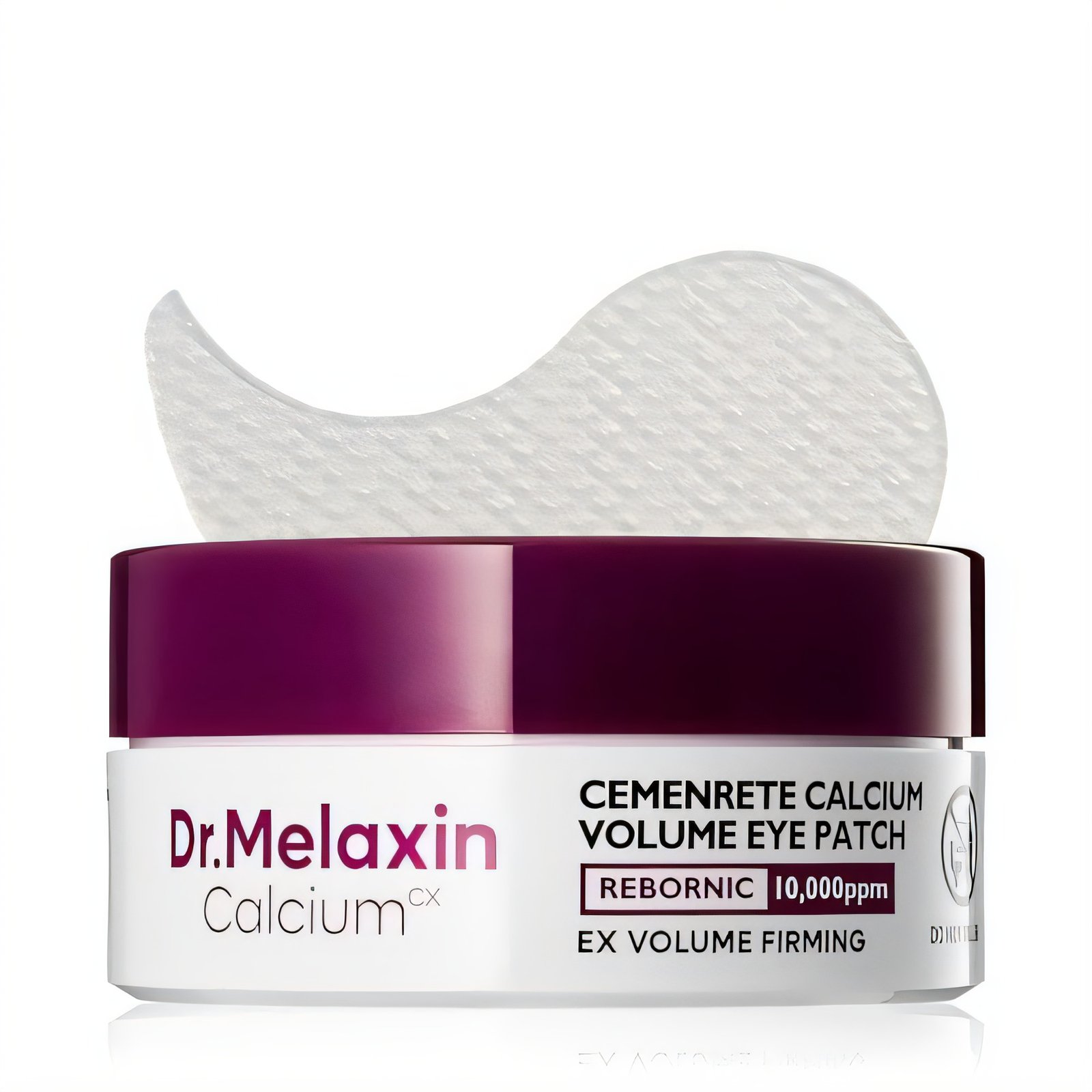
Hydrogel patches are thin and conform to the curve under the eye, so they sit better than jelly patches when you move around. I keep mine in the fridge for 20 minutes before use — the cool feel is genuinely helpful on puffy mornings. Be skeptical of the dramatic claims: a calcium complex is a marketing hook, and the cosmetic benefit is mostly hydration. These are for the morning “de-puff” ritual, not for pigmentation-based dark circles.
Pros: thin and flexible, 60 count, cooling when chilled, modest price tier. Cons: lists vary by version, limited benefit for pigmentation, single use. Budget to mid-range tier.
Also Worth a Look
- Anua Heartleaf 77 Soothing Toner — a lightweight heartleaf and hyaluronic acid toner. A good first step if your routine has no toner yet.
- COSRX Snail Mucin 96% Essence — a classic hydrating essence that pairs well with the masks and serums above, especially for dry skin.
- BIODANCE Bio-Collagen Real Deep Mask — an overnight hydrogel mask with a collagen theme. A good alternative if peel-off masks feel messy.
- Abib PDRN Vegan Collagen Lip Mask — a lip sleeping mask for dry lips, from the same brand as the eye patches.
- ELEMIS Pro-Collagen Marine Cream SPF 30 (50 ml) — the one non-Korean pick here: a premium British daily moisturizer with SPF 30, for people who want an anti-wrinkle cream and sun protection in one jar. If you already have a separate sunscreen you like, or want to stay within K-beauty budget tiers, skip it.
How I’d Build the Routine
Order matters. A simple order is cleanser, toner, serum, moisturizer, then sunscreen in the morning. Masks and exfoliants go after cleansing, on separate nights. A sample week: Monday the Peel Shot, Tuesday and Thursday the Wrapping Mask, Wednesday and Friday a plain hydrating routine, weekend eye patches. Don’t use exfoliating acids and a peel-off mask on the same night.
Start one new product at a time. Add one new item every one to two weeks — if irritation appears, you’ll know the cause. Patch test anything new on the inside of your forearm or behind your ear for 24 hours before your face.
Check the ingredient list for your own triggers. Fragrance, essential oils, strong acids and marine-derived ingredients are common triggers. Read the full list on the brand site, not just the retailer page — lists can differ between versions and regions.
Sunscreen every morning, non-negotiable. Vitamin C, exfoliating acids and peels make skin more sun-sensitive. Broad-spectrum SPF each morning is the most important step in any of these routines.
Count the cost per use, not the shelf price. A 60-patch jar of eye patches is 30 uses; a 75 ml mask tube lasts many weeks at a few uses a week; an 80 ml exfoliant lasts months at once a week. Divide the price by realistic uses and the K-beauty picks above come out looking very reasonable.
The four mistakes I see most: using every active every night (barrier irritation is the usual outcome); applying peel-off masks over thick cream (they won’t dry or peel properly); skipping sunscreen after exfoliating; and expecting patches to erase lines (hydration smooths the look for hours, not permanently).
One note on sourcing: I compared brand sites, ingredient lists, retailer listings and independent reviews for this roundup. I kept picks to two per brand, excluded non-Korean luxury creams so the list stays on topic, and flagged the discrepancies I found — like the two bottle sizes for the numbuzin serum and the differing lists for the Dr.Melaxin ampoule. This guide is research-based, not professional medical advice. If you have a skin condition, are pregnant or nursing, or react easily to products, ask a doctor or dermatologist before adding actives — and patch test anything new.
Frequently Asked Questions
What are the best Korean skincare products for a collagen routine?
There’s no single best set. A reliable starter is a hydrating moisturizer like the medicube Deep Vita C Capsule Cream, a light serum like numbuzin’s No.9, a weekly mask, and sunscreen. Add eye patches and an exfoliant only if you want them.
What are the best collagen face masks?
The medicube Collagen Wrapping Mask is a popular overnight peel-off option, and BIODANCE makes a hydrogel overnight collagen mask if peels feel too messy. Remember: collagen in a mask mainly hydrates the surface.
What are the best K-beauty serums?
For daily use, the numbuzin No.9 NAD+ Peptide Serum is a light, multipurpose option. For weekly exfoliation, the Dr.Melaxin Peel Shot is a treatment, not a daily serum.
Can I use all of these together?
Not all at once. Serum and cream daily, a mask once or twice a week, the exfoliating ampoule once a week, eye patches as a treat. If your skin feels tight, stinging or red, stop and simplify.
Is Korean skincare safe for sensitive skin?
It depends on the product, not the country of origin. Look for fragrance-free formulas, patch test, introduce items slowly, and ask a dermatologist if you have a skin condition.
Which One Should You Buy?
If you buy only one thing, make it the medicube Deep Vita C Capsule Cream as your daily moisturizer. Add the numbuzin serum if you want a lightweight layer under it. For a weekly treat, pick the medicube Collagen Wrapping Mask for a calm overnight option or the COSRX PDRN mask for a glassier finish. Choose the Dr.Melaxin Peel Shot if you want gentle weekly exfoliation and will wear sunscreen daily. For eyes, the Abib jelly patches suit smile lines and dry skin, while the Dr.Melaxin hydrogel patches suit morning puffiness. Start slowly, patch test, and keep expectations realistic.
A note from the studio: I bought my first “lifting” serum because the ad promised the world. It did hydrate me beautifully — and that turned out to be enough. The collagen label is mostly a hydration story, and honestly? That’s a story I can live with. Tested on my vanity, not on my ego.