
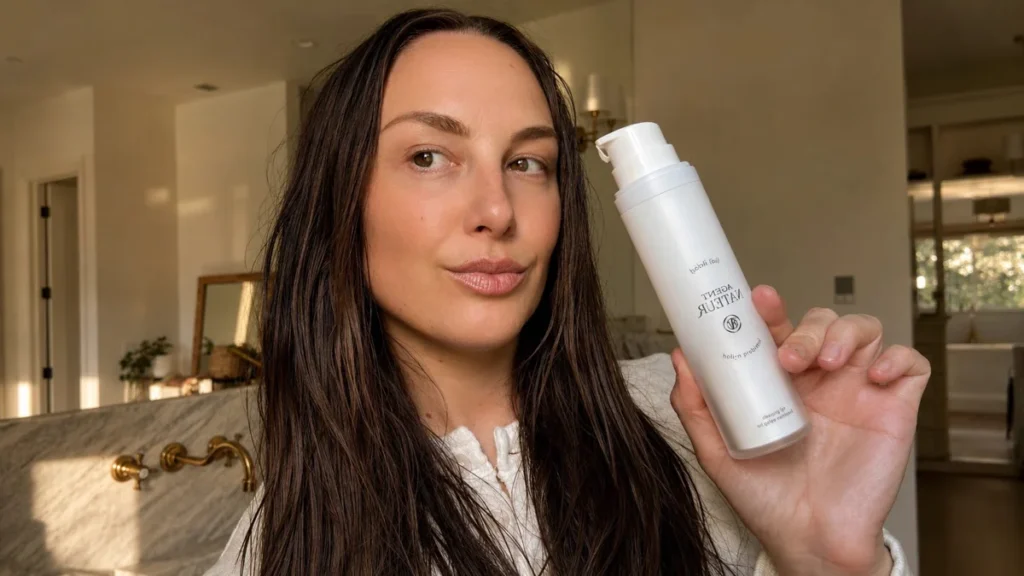
I was standing at my vanity last week, re-reading an influencer’s post about Hair Botox, when it hit me again: we have accepted a plastic mask as a miracle treatment. After some Googling (and a deep breath), I learned that Hair Botox has nothing to do with actual Botox. It is simply a silicone deep conditioner wearing a high-tech name. The smooth results wash out in 2 to 4 months.
Here’s what you should know before booking that appointment or slathering on the bottle at home.
The ‘repair’ is borrowed, not earned
That glossy, healthy-looking finish comes from silicone wrapping each strand in a thin plastic film. It does not fix damage — it hides it. The buildup accumulates until you strip it off with a sulfate shampoo, and once it’s gone, your hair is exactly as damaged as before. Sometimes worse, thanks to the flat-iron passes they run through your hair during application.
You are essentially renting smoothness for 8 weeks and calling it a treatment. And breathing in toxins while you do it.
The Toxic Ingredients We Avoid
These are the ones I always check for on a Hair Botox label:
- Formaldehyde. A preservative and the chemical responsible for most of the ‘smoothing’ effect. Classified as a known human carcinogen by both the International Agency for Research on Cancer (IARC) and the US National Toxicology Program. It is linked to nose and throat cancers plus leukemia. The real danger spikes during application — heat from a blow-dryer or flat iron releases formaldehyde as a gas you inhale directly.
- Formaldehyde-releasers. Ingredients that slowly release formaldehyde over time, allowing brands to print ‘formaldehyde-free’ on the front label while the derivative sits quietly in the ingredient list. Same carcinogen exposure, just disguised under a chemical-sounding name most of us won’t recognize.
- Amodimethicone. The silicone that creates the illusion of repaired hair by wrapping each strand in plastic film. It builds up until you need a harsh sulfate shampoo to remove it — often leaving the hair underneath drier and more brittle.
- Paraffinum Liquidum (liquid petroleum). A cheap crude-oil byproduct that coats the hair for slip and shine but does not nourish it. Depending on refining grade, it can carry polycyclic aromatic hydrocarbon impurities flagged as potential carcinogens. It is a filler pretending to be soft.
- Trideceth-12. An ethoxylated ingredient processed with ethylene oxide. The process leaves behind 1,4-dioxane — which the EPA classifies as a likely human carcinogen — and traces of ethylene oxide itself. Neither contaminant has to appear on the label.
- Parfum / Synthetic Fragrance. One word that legally hides dozens of undisclosed chemicals, including phthalates — endocrine disruptors linked in studies to reproductive and developmental harm. You have no way of knowing what your scalp is absorbing.
What I Use Instead
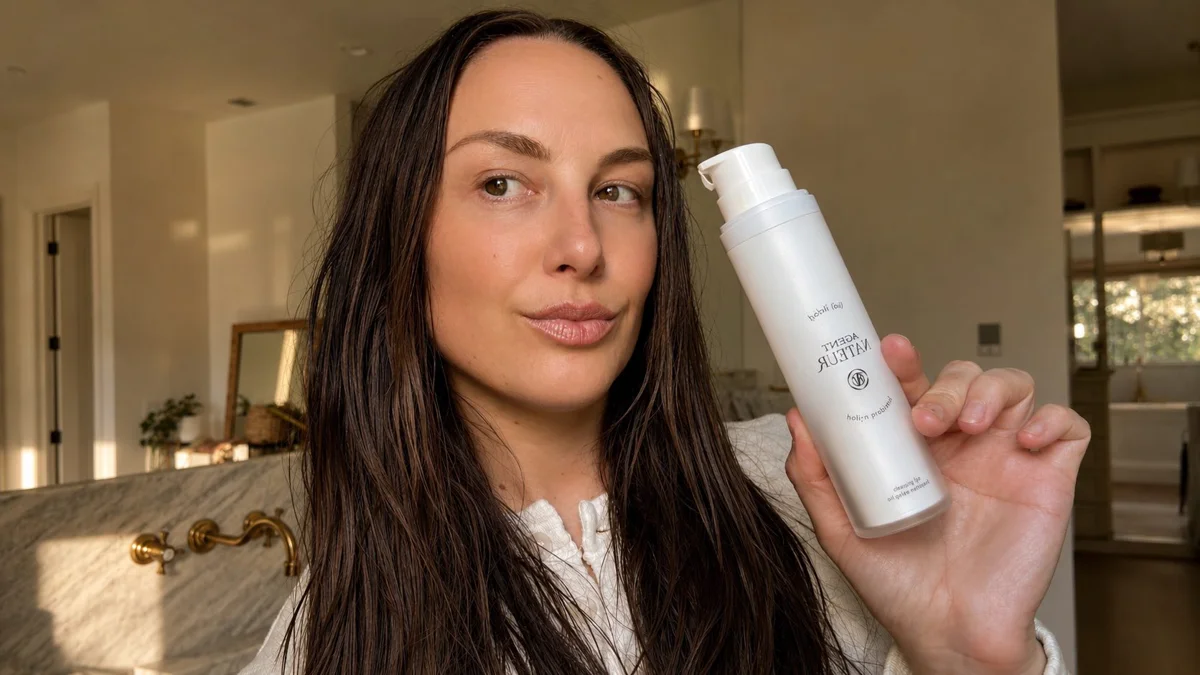
If you want something that actually repairs hair without formaldehyde, silicones, or petroleum, this is the one on my shelf right now: Agent Nateur Holi Locks Silk Peptide Leave-In Repair.
Here’s why it earned a spot at my vanity:
- Triple-stacked protein repair. Japanese hydrolyzed silk, hydrolyzed keratin, and isostearoyl hydrolyzed silk. Keratin is the exact protein your hair is made of — you get it here without inhaling carcinogen-laden gas from a flat iron. It reinforces the hair fiber and supports weakened bonds instead of faking it with plastic.
- Built-in heat protection. It defends against styling damage, so it works as both a protectant and a repair treatment. Hair Botox actually damages your hair during those required flat-iron passes; this one protects it.
- Weightless hydration. Squalane and sodium hyaluronate deliver deep moisture and smooth the cuticle for shine, while real plant oils — broccoli seed, pumpkin seed, and amla — nourish rather than sit on top of the strand.
No formaldehyde. No amodimethicone. No mineral oil. No synthetic fragrance. Just cleaner ingredients that reduce frizz and breakage over time, not just for one day.
Why I Keep Coming Back to It
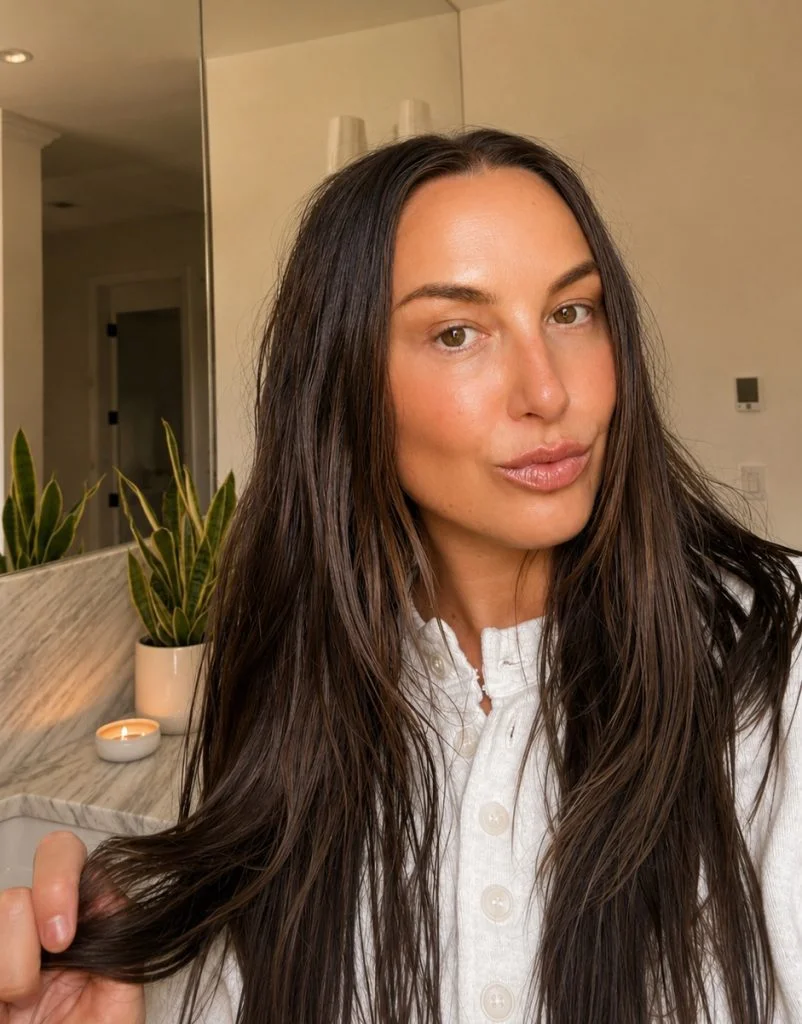
The scent is the first thing you notice — a fresh bundle of jasmine and rose. When I apply it, my hair detangles instantly and feels noticeably softer. Unlike silicone products that just coat, this one strengthens strands over time. My frizz is down, and my hair feels genuinely healthier.
I also love how long the scent lingers; it stays with me for days after use. And I have started reaching for it before heading to the pool or beach — soak your strands in it, tie your hair up, and take it down later for a messy, sun-kissed look that actually holds.
Quick FAQ
Does Hair Botox actually contain Botox?
No. ‘Hair Botox’ is a marketing name applied to silicone-based deep conditioners and salon smoothing treatments. It has nothing to do with the injectable cosmetic ingredient.
How long does Hair Botox last?
The smooth effect lasts 2 to 4 months for in-salon treatments, and about 8 weeks for at-home versions. Once it washes out, the underlying damage is still there.
Is Agent Nateur Holi Locks silicone-free?
Yes. It contains no amodimethicone, no mineral oil, and no synthetic fragrance — making it a genuinely clean alternative to Hair Botox formulas.
If a product calls itself ‘Hair Botox’ and you see amodimethicone, paraffinum liquidum, or formaldehyde on the label, put it down and slowly walk away. The name tells you nothing; the ingredient list tells you everything.
A note from the studio: I bought my first Hair Botox treatment because the marketing sounded too good to skip. It was a beautiful lie — shiny for exactly 8 weeks. Tested on my vanity, not on my ego.
Keep Reading
- How to Gracefully Grow Out a Pixie Cut
- Hair Porosity Tests Are a Lie — Here’s What They Actua
- Hair, Hydration and Water: The Real Science